The Dawn of a New Industrial Era
The Fourth Industrial Revolution, commonly known as Industry 4.0, marks a transformative period in manufacturing. It's characterized by the seamless integration of digital technologies such as the Internet of Things (IoT), artificial intelligence (AI), big data analytics, and cloud computing into industrial processes. For maintenance engineers, procurement managers, and plant operators, understanding and embracing these changes isn't just about staying competitive; it's about unlocking new levels of operational excellence, efficiency, and a future-proof manufacturing environment.
This revolution isn't just a theoretical concept; it's actively unfolding across factories worldwide. Companies are leveraging these technologies to move beyond traditional automation, creating intelligent, interconnected systems that can optimize themselves, predict issues, and adapt to changing demands with remarkable agility. Let's explore some compelling case studies that highlight the tangible benefits and innovative approaches driving this transformation in factory automation.
Optimized Production and Reduced Variability: The Kraft Heinz Story
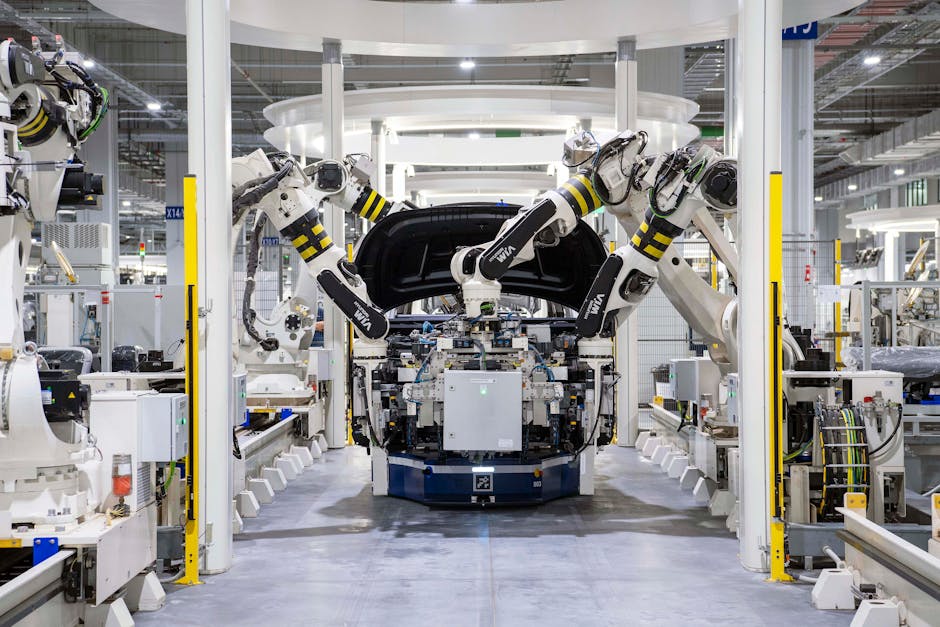
One of the most significant challenges in large-scale food production is maintaining consistent quality and maximizing output. Kraft Heinz, a global food giant, faced this with their Ore-Ida frozen potato products. To address this, they implemented Rockwell Automation’s FactoryTalk® Analytics™ PavilionX™ Model Predictive Control (MPC) software. This advanced solution didn't just automate processes; it continuously assessed operational data against desired outcomes, proactively optimizing process control.
The results were remarkable: increased production capacity and a substantial reduction in product variability across their massive annual output. For plant operators, this translates to more stable processes, fewer reworks, and adherence to stringent quality standards. For procurement managers, it means a more reliable supply chain and reduced waste.
Boosting Overall Equipment Effectiveness (OEE): Dover Corporation's Digital Transformation
Overall Equipment Effectiveness (OEE) is a critical metric for any manufacturing facility, encompassing availability, performance, and quality. Dover Corporation, a diversified global manufacturer, sought to improve its OEE across its 17 global plants. Their solution was Altizon’s Digital Factory Platform.
By connecting over 300 machines and creating a unified manufacturing data layer, Dover was able to eliminate production bottlenecks, gain real-time OEE visibility through intuitive dashboards, and automate downtime tagging. This initiative led to an impressive average 12% uplift in OEE. This case exemplifies how a holistic digital platform can address challenges of isolated data sources (like PLCs and SCADA systems), enabling better decision-making for maintenance planning, quality control, and general productivity.
Paperless Manufacturing and Enhanced Traceability: HEITEC Elektronik
In complex manufacturing environments, especially in electronics, accurate traceability and streamlined documentation are paramount. HEITEC's Elektronik business unit adopted Aegis Software’s Factory Logix Manufacturing Execution System (MES) platform to modernize their operations.
The benefits were immediate: a 30% reduction in manual paperwork, significantly improved end-to-end traceability, and the establishment of completely paperless manufacturing processes. This not only enhanced efficiency but also ensured compliance with strict ISO certification requirements. For maintenance and operations teams, an MES platform means quicker access to critical production data, precise tracking of components, and a robust system for audits and quality assurance.
Speed and Agility in Production: The Smart Press Shop
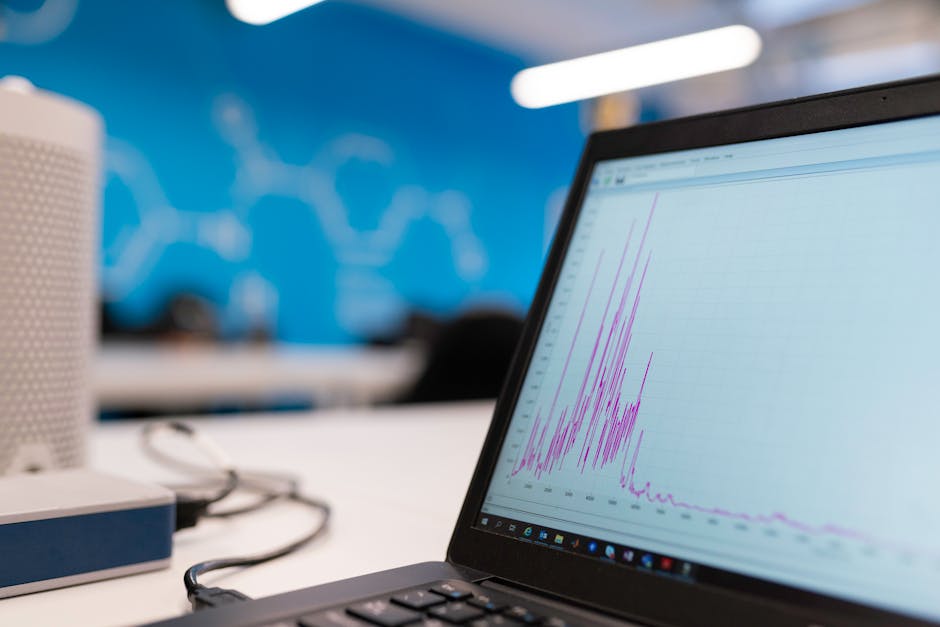
The automotive industry is a prime example of high-volume, high-precision manufacturing. The Smart Press Shop, a joint venture between Porsche AG and Schuler AG, pushed the boundaries of Industry 4.0 by creating a fully digitized, paperless, and automated production environment. They integrated SAP S/4HANA (Enterprise Resource Planning) and SAP Digital Manufacturing Cloud (MES).
This comprehensive digital framework resulted in a remarkable 60% increase in production preparation speed, up to 25% faster production times, and a 15% reduction in time to market. This level of agility is crucial in industries with rapidly evolving product cycles and strong demand for customization. For any plant, these improvements translate directly to increased profitability and market responsiveness.
Key Takeaways for Modern Manufacturing
These case studies underscore several critical trends and actionable insights for professionals in industrial automation:
- Holistic Digital Transformation: Moving beyond simple automation to integrate entire ecosystems, from the shop floor to the enterprise level.
- Data-Driven Decision Making: Leveraging real-time data and analytics to optimize processes, predict maintenance needs, and improve quality control.
- Elimination of Bottlenecks: Identifying and resolving inefficiencies through advanced analytics and continuous process improvement.
- Enhanced Traceability and Compliance: Achieving complete product lineage and simplifying regulatory adherence through digital documentation.
- Increased Agility and Responsiveness: Adapting quickly to market changes and demand fluctuations with flexible, digitally optimized production lines.
As Industry 4.0 continues to evolve, the distinction between operational technology (OT) and information technology (IT) blurs. Success in this new landscape hinges on a proactive approach to technology adoption, strategic partnerships with solution providers, and a commitment to continuous learning and adaptation within your workforce.

Looking Forward: The Future of Factory Automation
The journey into Industry 4.0 is ongoing. Companies like Mitsubishi Electric are constantly innovating with products ranging from edge computing devices (MELIPC) to advanced controllers, robotics (MELFA), and sophisticated software solutions (MELSOFT Gemini 3D Simulator, ICONICS Solutions Suite). These tools provide the building blocks for an intelligent factory, allowing for predictive maintenance, remote monitoring, and highly customizable production.
For maintenance engineers, this means transitioning from reactive repairs to predictive strategies enabled by condition monitoring and AI. For procurement managers, it involves optimizing spare parts inventory through data analytics and fostering relationships with suppliers who are also embracing Industry 4.0. And for plant operators, it signifies a shift towards overseeing intelligent systems, leveraging digital twins, and utilizing augmented reality for troubleshooting and training.
The revolution is here, and the businesses that embrace its full potential will be the ones that define the future of manufacturing excellence.